In a digital society, we use lines not only to represent walls on a plan but as a line of code that determines inclusion and exclusion. This makes the algorithm a fundamental architectural element as it defines the boundaries of our social environment.
"We must stop confusing complexity of geometry with complexity of thought. A curved wall that excludes the poor is just as violent as a straight one."
— The Hidden Lives of Algorithms (2026)
1. The Container Schema and Categorization
In Making Architecture Through Being Human, we established that CONTAINER is a primary image schema. We understand our environment by projecting boundaries: inside (safe/known) vs. outside (exposed/unknown). This is extended through The Hidden Lives of Algorithms to explore how CONTAINMENT, PATH, and ATTENTION are structured through algorithmic processes.
Algorithms are the industrialization of this schema. The danger is that they need to be highly reductive in order to work. Efficiency comes at a cost.
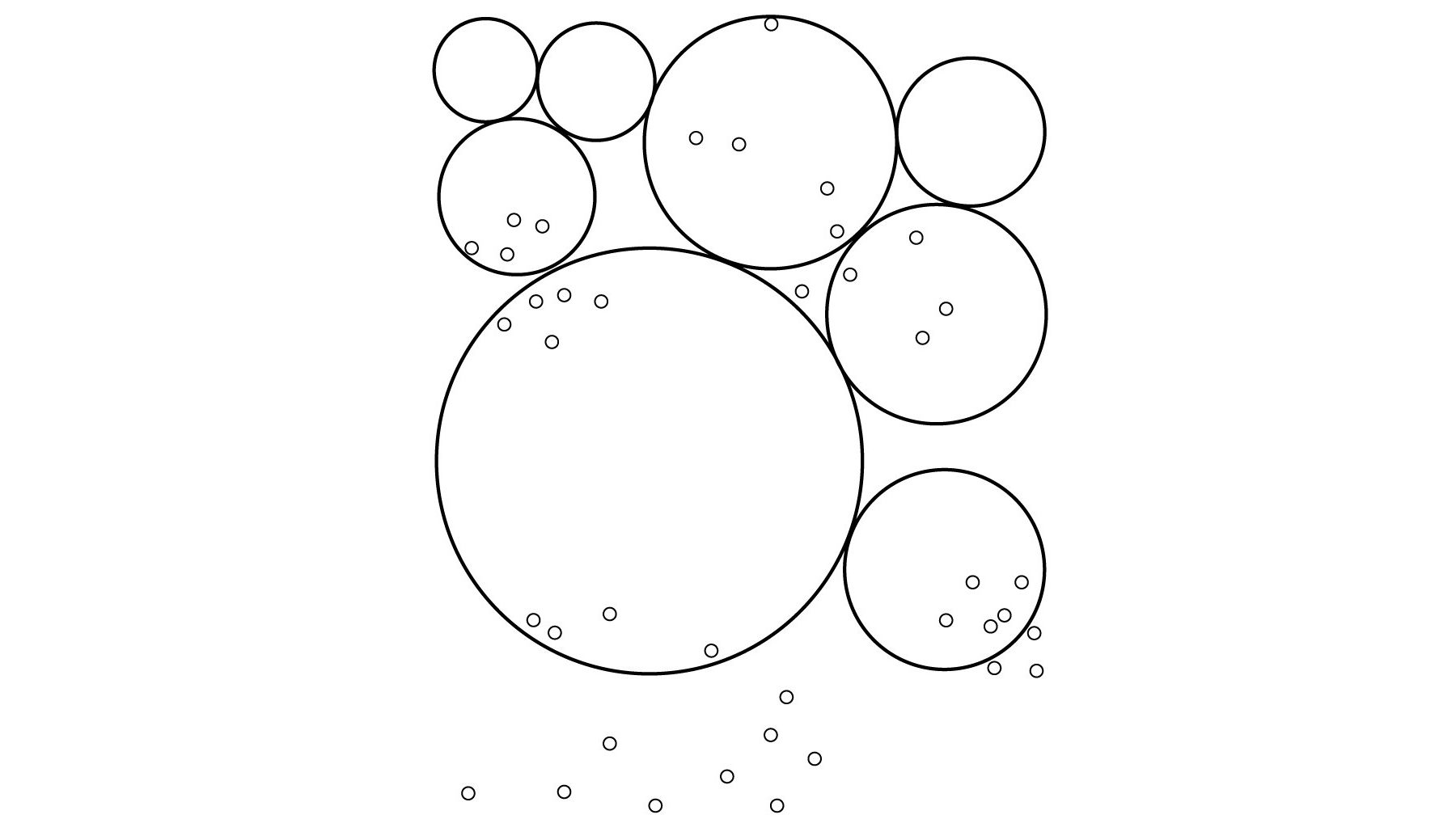 Figure 1: Relationships created through containment (from The Hidden Lives of Algorithms) 2026.
2. Homophily: The Frictionless City
In Urban Design Made by Humans, we argue that a city requires friction, the inefficiency of forced encounter, to generate social potential.
Algorithms operate on the opposite principle which is homophily (love of the same). Recommendation engines and social filters are designed to cluster similar users, removing difference and maximizing agreement. Algorithms that define our spaces operate on the same principles.
This can create a hyper-sociopetal environment. It is the digital equivalent of the ultimate gated community—efficient, highly ordered, and socially sterile. By removing the friction of the "unintended encounter," the algorithm creates a cohesive but brittle social structure. What is important to understand in a spatial algorithm is whether it naturally supports gathering or movement, often to the exclusion of the other.
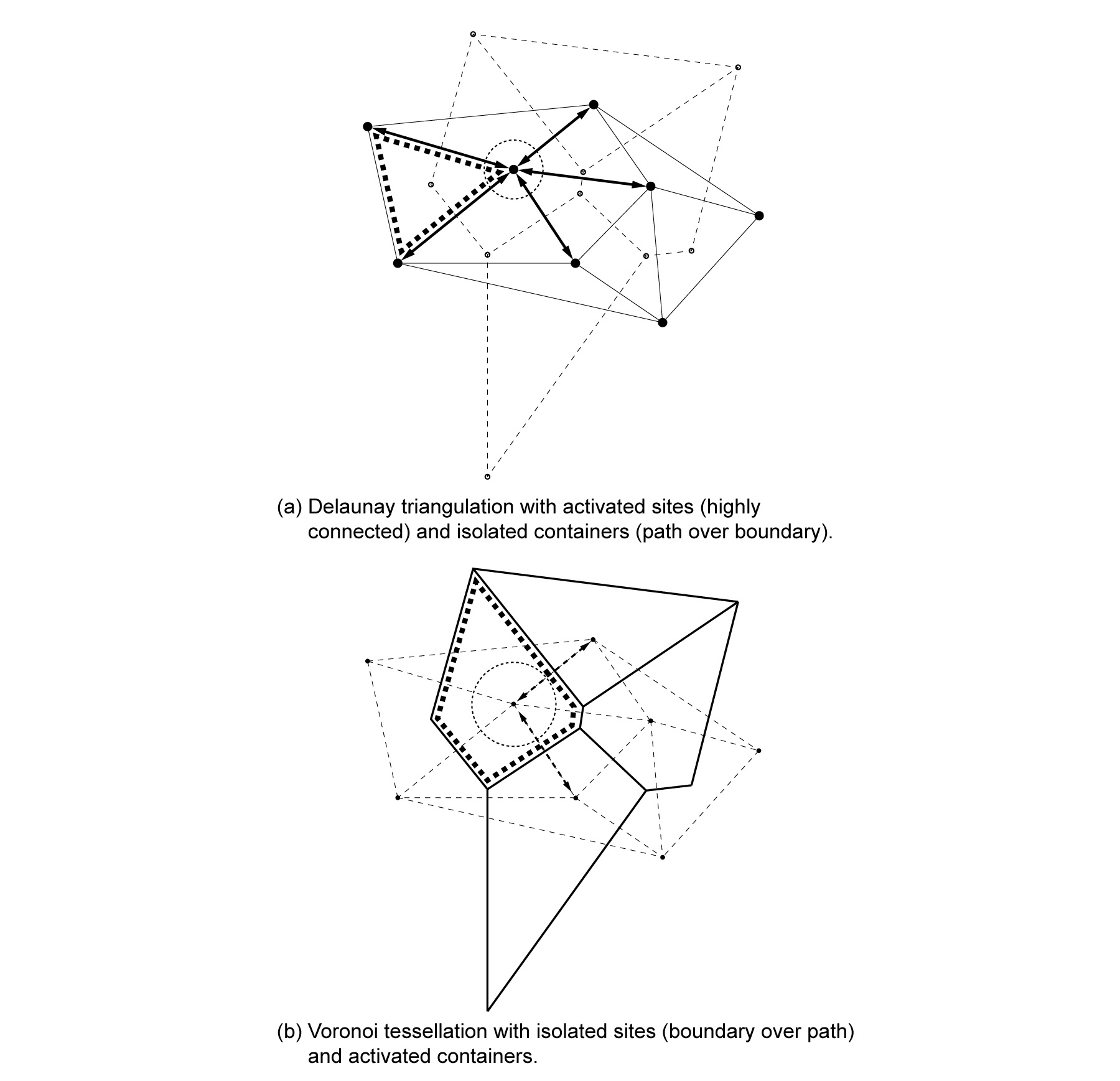 Figure 2: Container-focused vs motion-focused algorithms (from The Hidden Lives of Algorithms) 2026.
3. From Form-Giver to Framework-Designer
Agency requires visibility. In the physical city, even the marginalized occupy space; they force navigation. In spaces where the agency for design is given to the algorithm, visibility and access are a privilege granted by the code's criteria.
This shifts the responsibility of the architect. Design is no longer limited to the final visual form; it includes the design of the rules themselves. We must move from being form-givers to framework-designers. In this, we must ask:
- Who defined the categories?
- What is being filtered out for efficiency?
- Does this system increase social friction (encounter) or reduce it (isolation); and which is appropriate in this context?
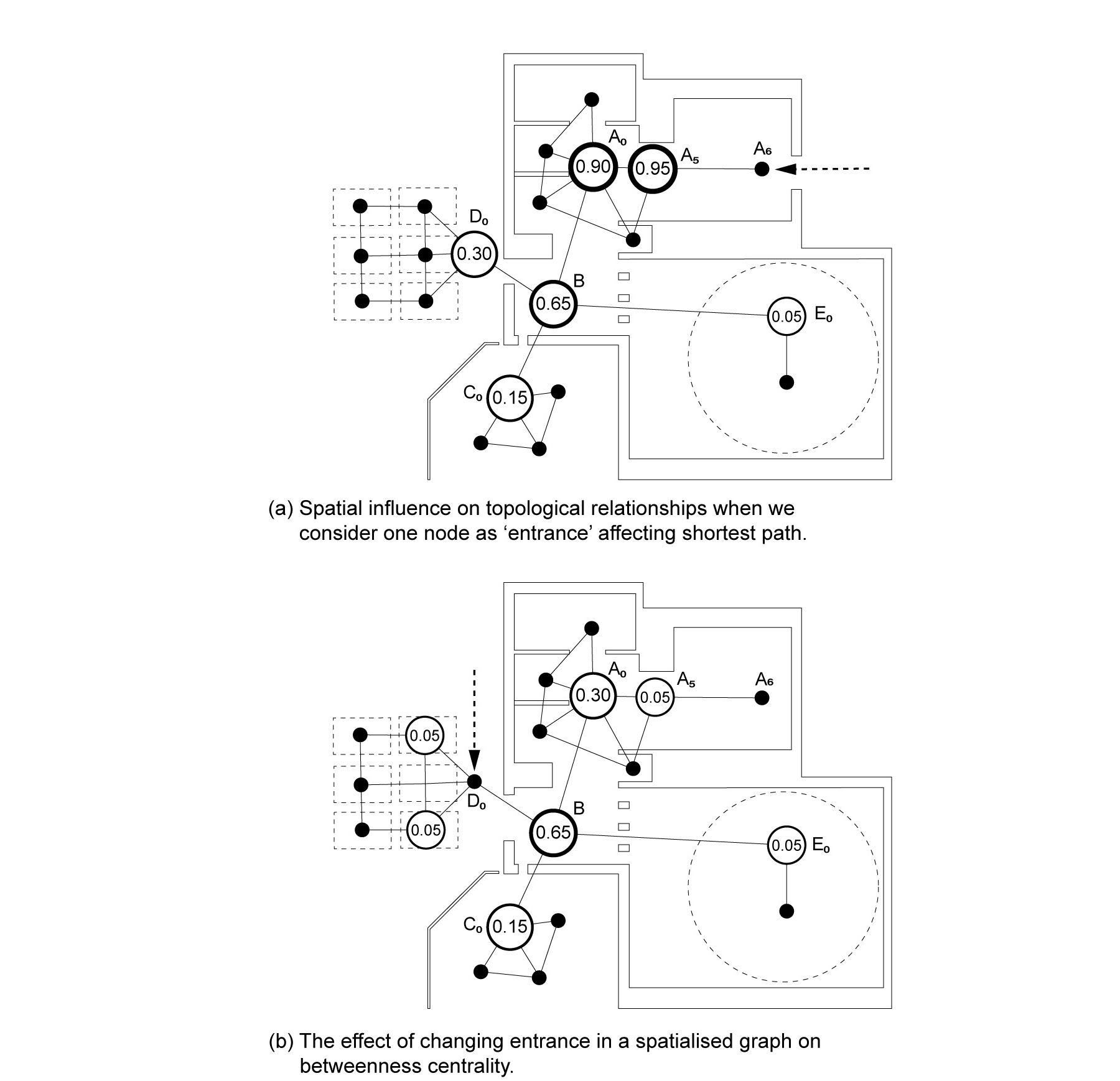 Figure 3: Small changes in topographical relationships in program has significant social effects (from The Hidden Lives of Algorithms) 2026.
Plowright, P. D., & Carta, S. (2026). The Hidden Lives of Algorithms. Routledge.
Plowright, P. D., & Adhya, A. (2023). Urban Design Made by Humans: A Handbook of Design Ideas. Routledge.
Plowright, P. D. (2020). Making Architecture Through Being Human. Routledge.