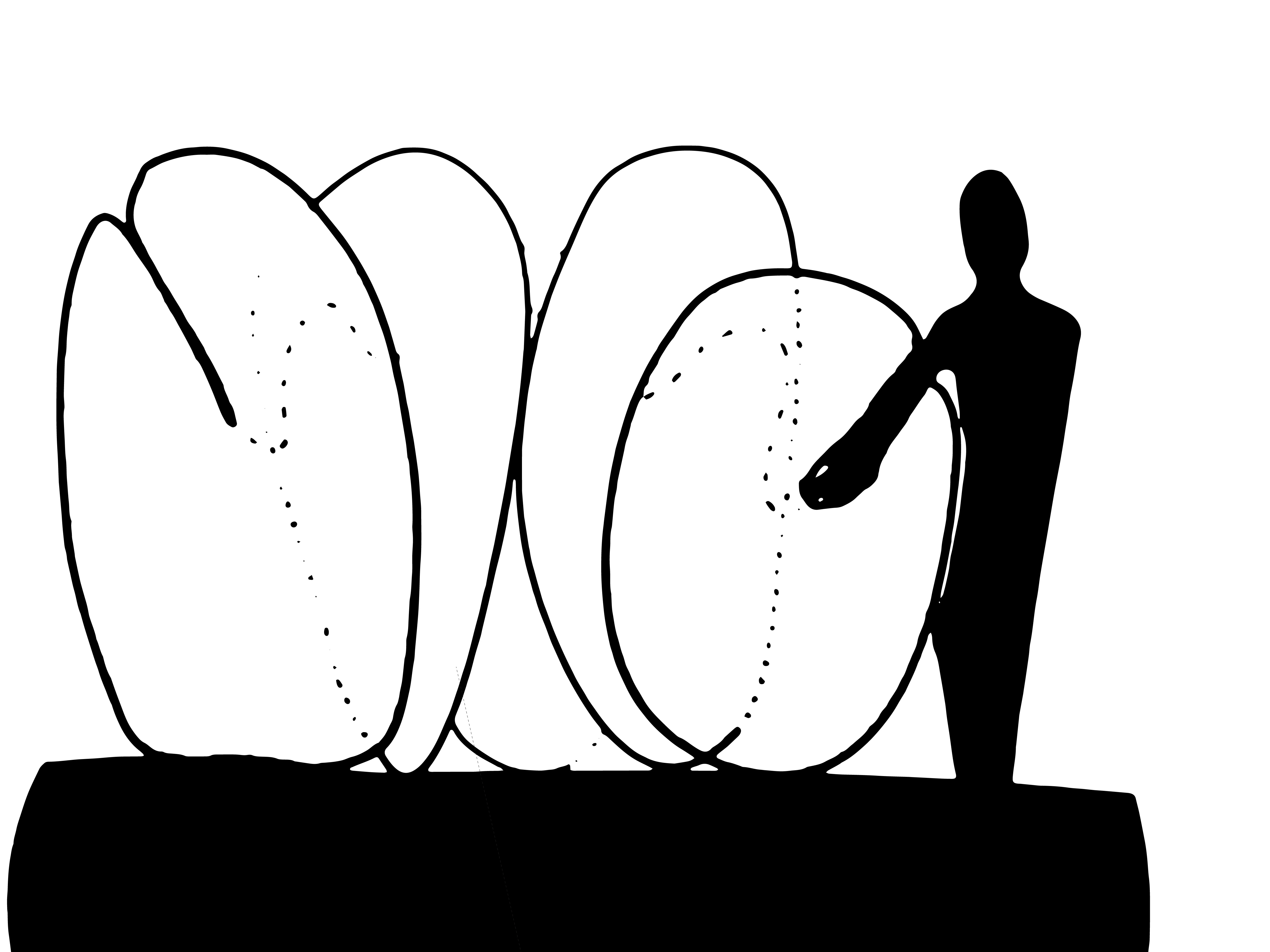
Embodiment & Metaphor
We understand space because we have bodies. This framework rejects the Cartesian split, arguing that architectural meaning is pre-conceptual, derived from "image schemas" and processed through correlational metaphor.
Explore →Architecture and urban environments are cognitive and social agreements made visible. They are the physical evidence of how we value and understand our existence.
This site documents the methodological frameworks and spatial semantics that drive my work in architectural theory. It provides an open-access overview of the syntax, frameworks, and cognitive tools necessary to transform design from intuitive guessing into rigorous, human-centered reasoning. These summaries serve as accessible entry points to the deeper concepts explored in my books. They distill denser theoretical structures into direct language to foster a transparent conversation about the ideas that fundamentally shape our built environment.
"Bringing awareness to an implicit practice is a way to reflect, adapt, and improve that practice... To become a better architectural designer, deep knowledge and clear visibility of the process of design are required."
— Revealing Architectural Design (2014)
We understand space because we have bodies. This framework rejects the Cartesian split, arguing that architectural meaning is pre-conceptual, derived from "image schemas" and processed through correlational metaphor.
Explore →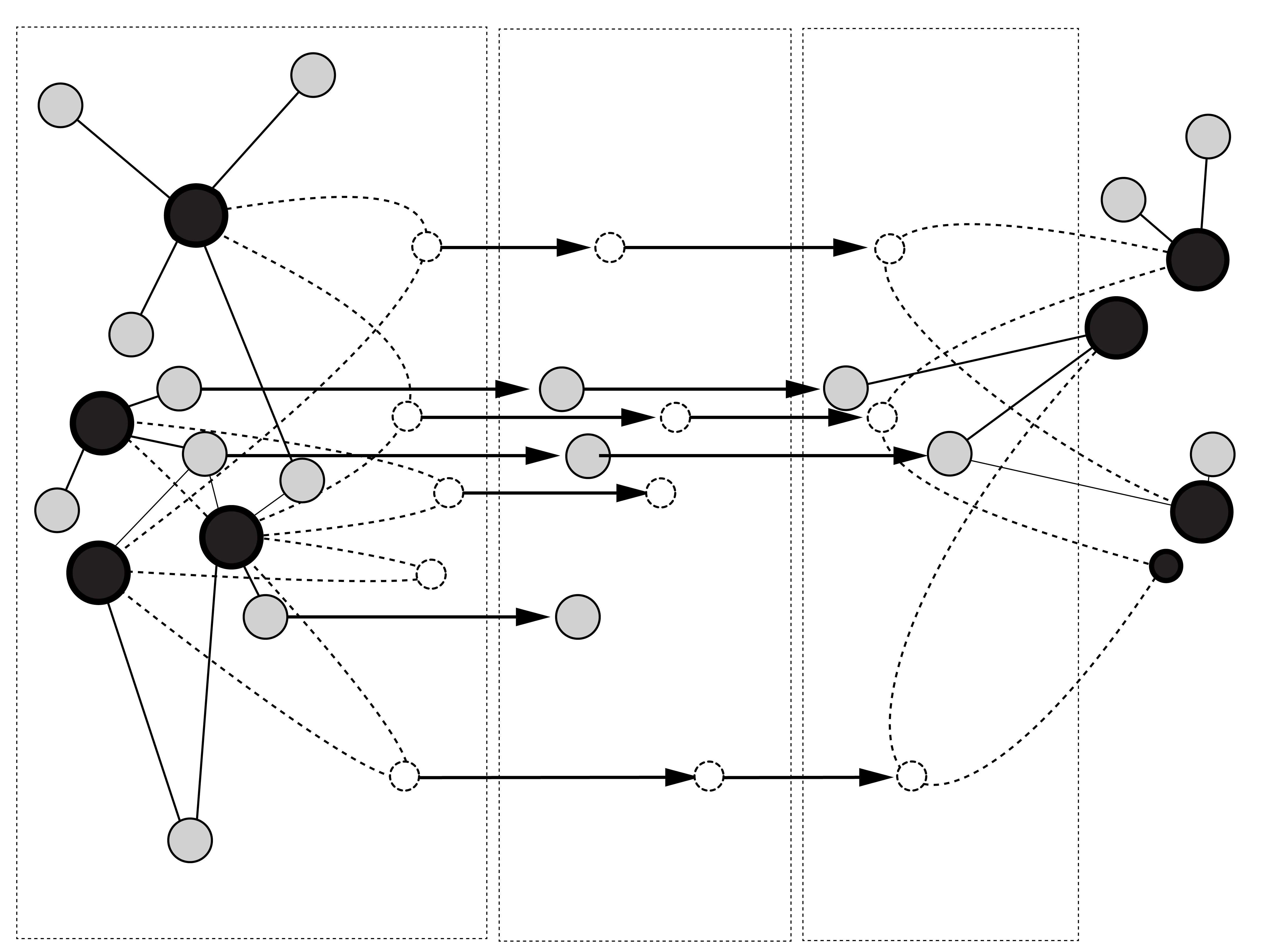
Design innovation often occurs through the successful transfer of syntax between domains. This section outlines how to structure a "concept" as a rigorous mapping of relationships.
Explore →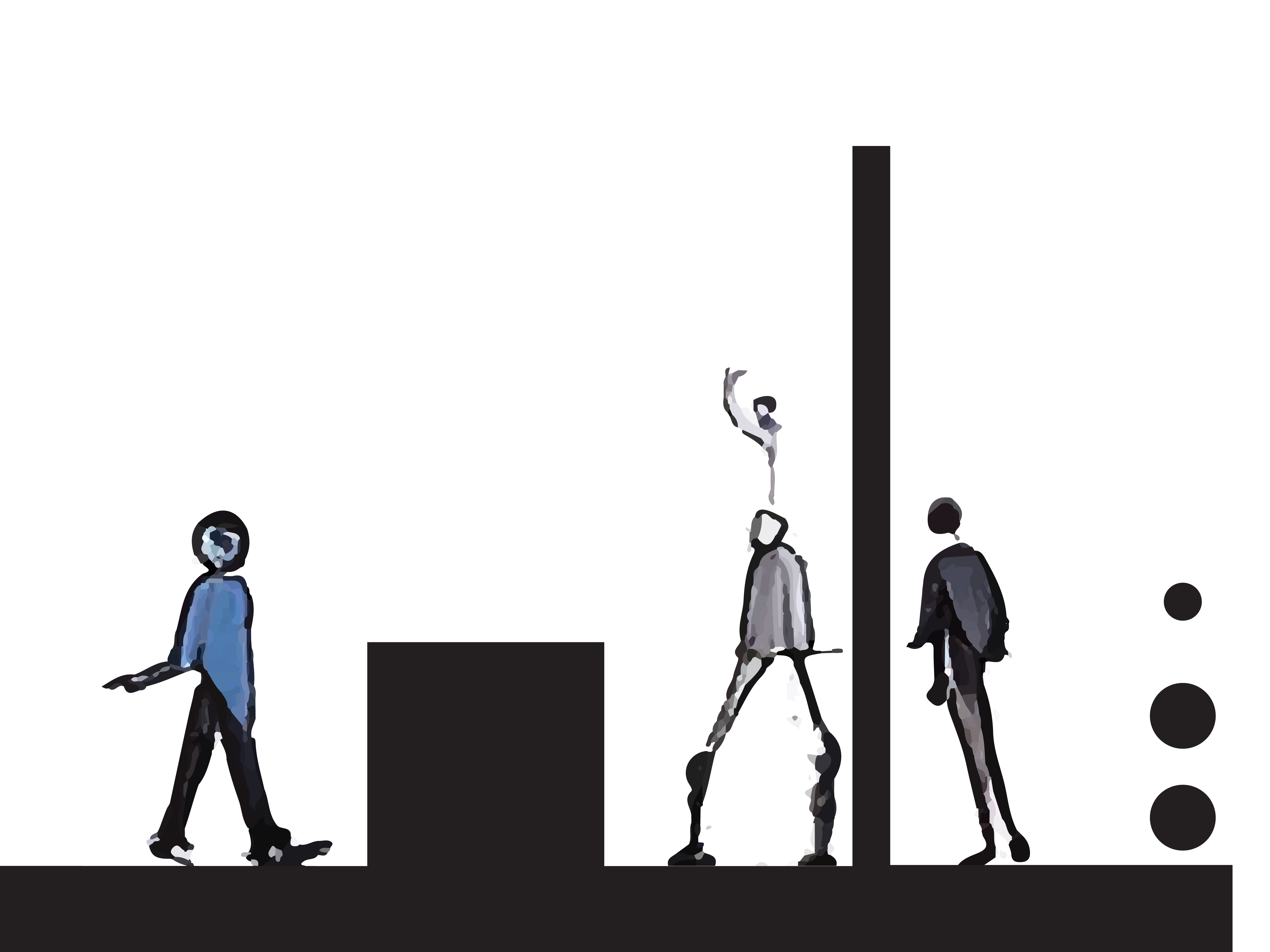
Architecture cannot force people to interact, but it creates the probability of encounter. How sociopetal geometry and algorithmic clustering engineer the capacity for community.
Explore →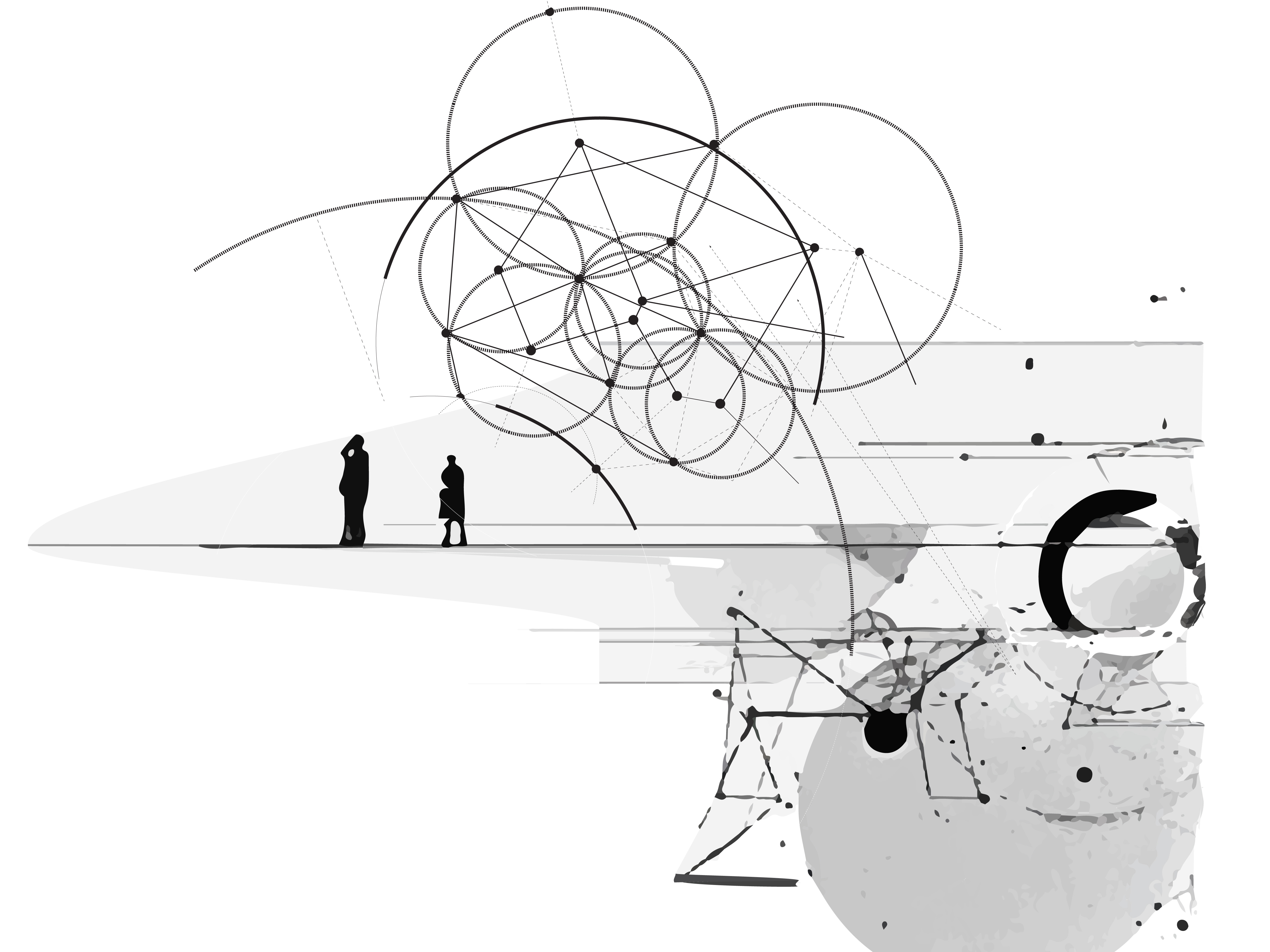
As design tools become active participants, we must audit their agency. Examining the "hidden lives" of algorithms and how data structures invisibly shape outcomes.
Explore →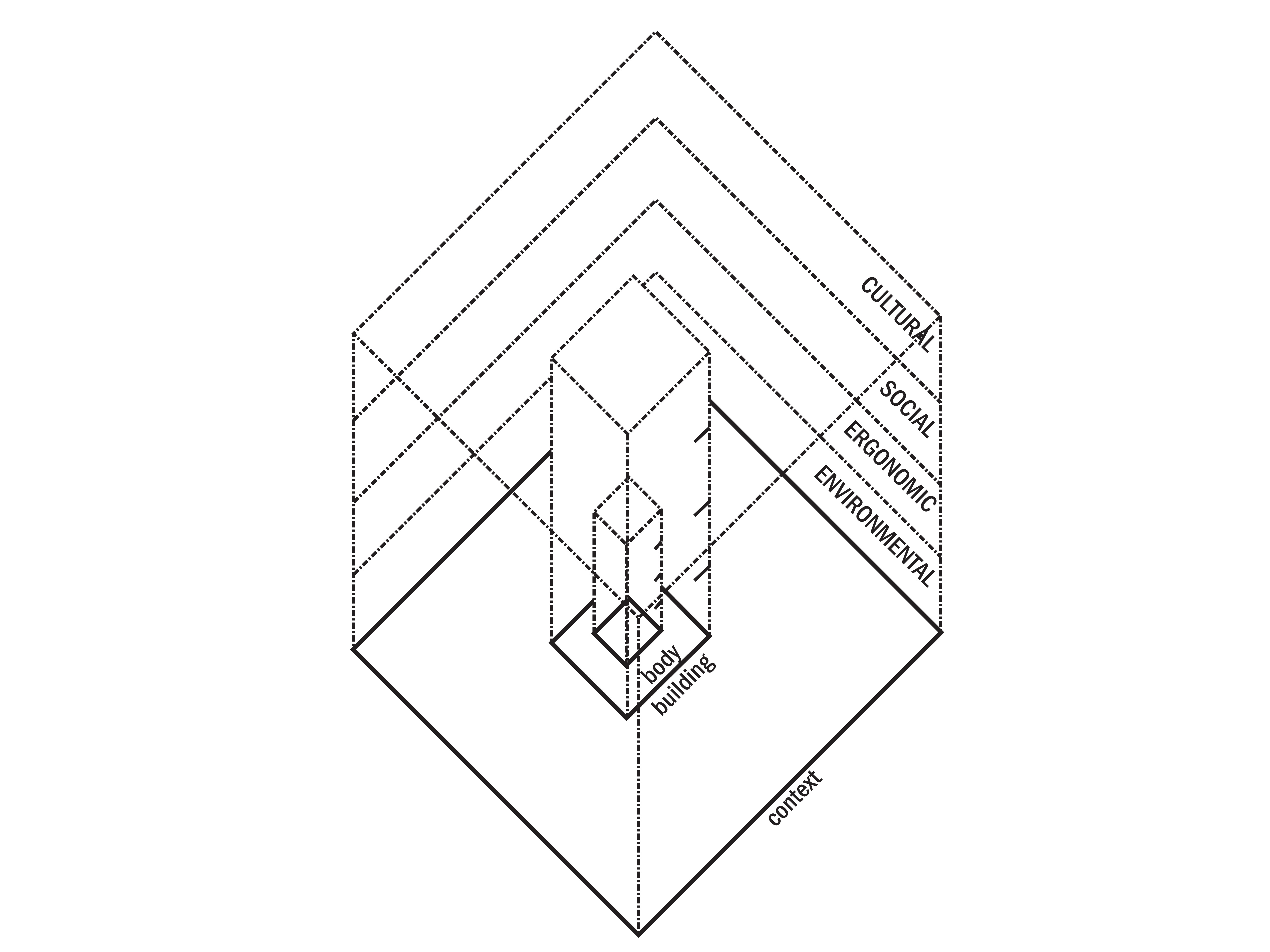
Architecture often mistakes the outcome for the purpose. This framework prioritizes a balanced approach moving from basic human information (sensori-motor) to cultural expressions.
Explore →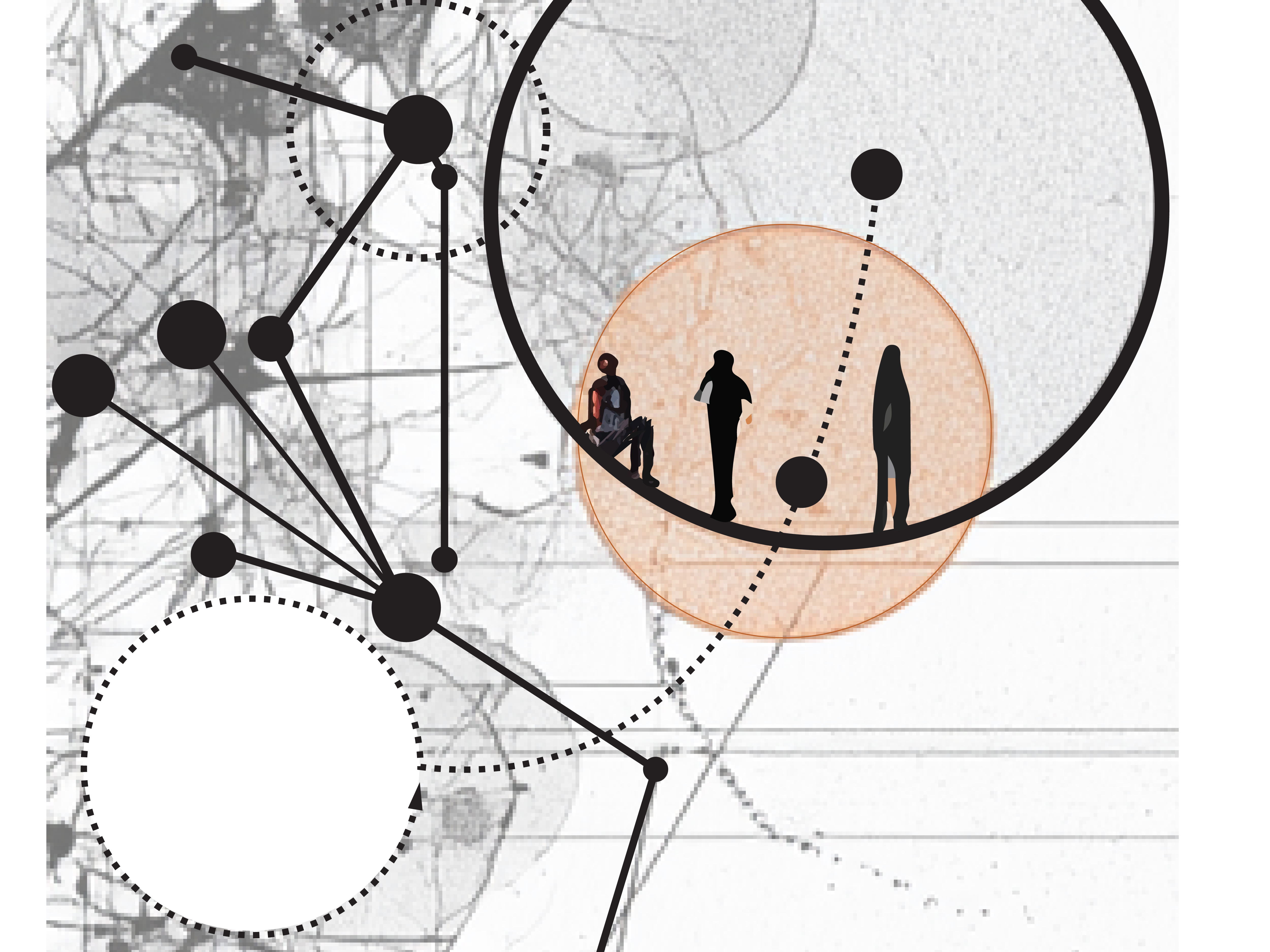
Efficiency is the enemy of community. Why we need texture, slowness, gaps, and pauses in our buildings and cities to encourage meaningful connection.
Explore →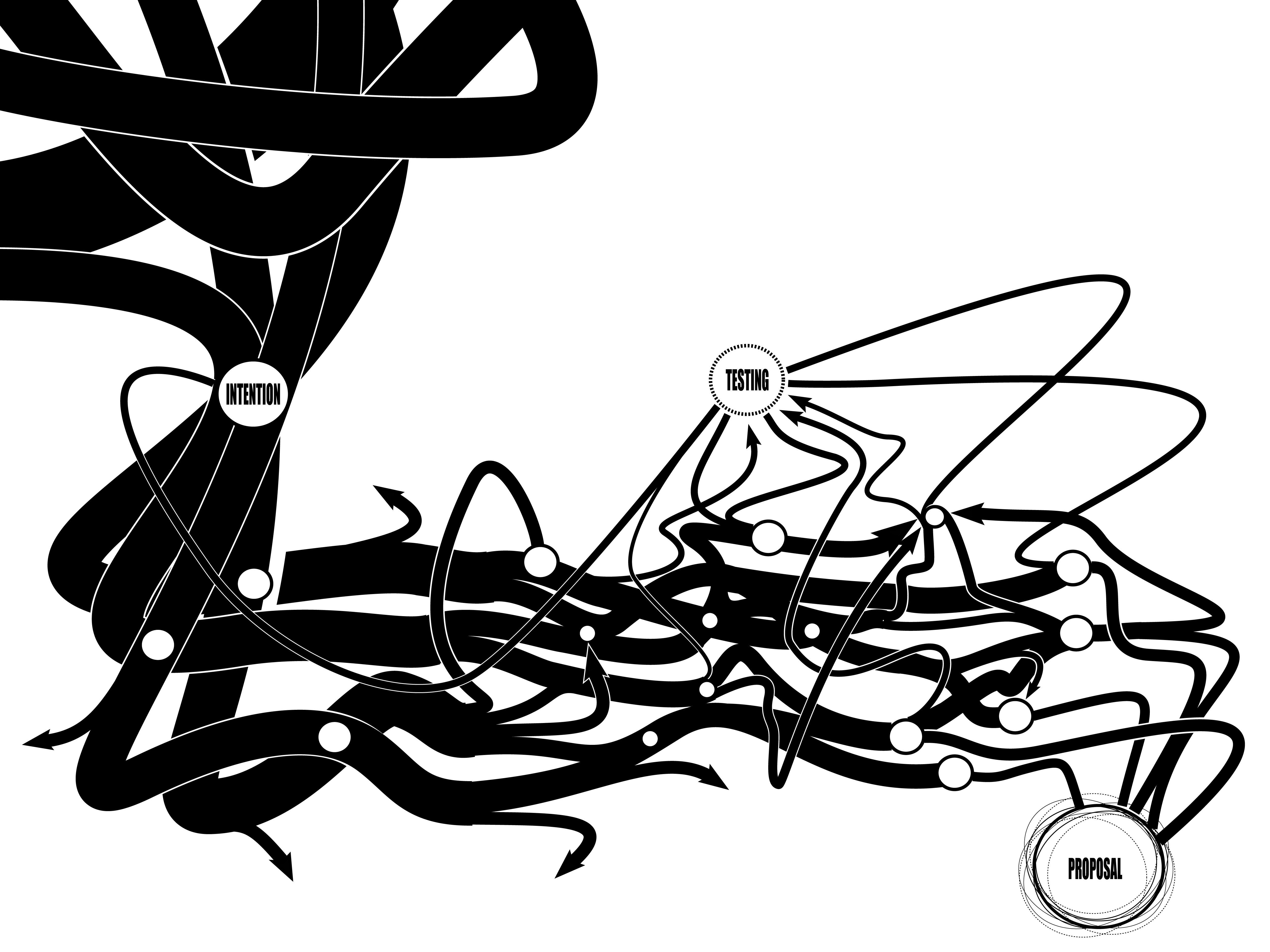
Creativity is not magic; it is a method. Moving from the mysterious "Black Box" of genius to a transparent, defensible design process.
Explore →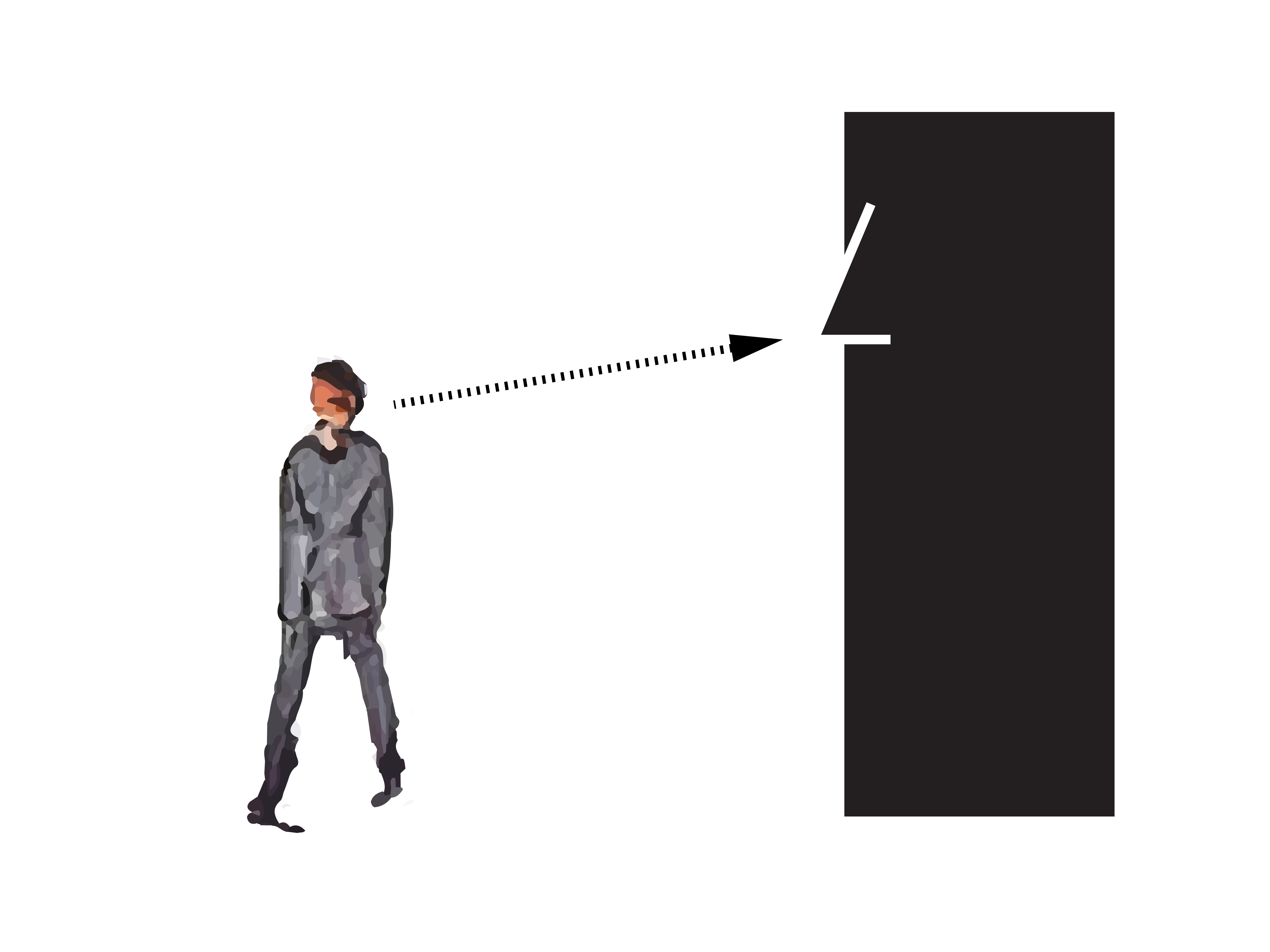
When we think we are empathising, we are actually simulating empathy. This is because the only way we know anything is through projecting our own experiences onto the buildings we inhabit.
Explore →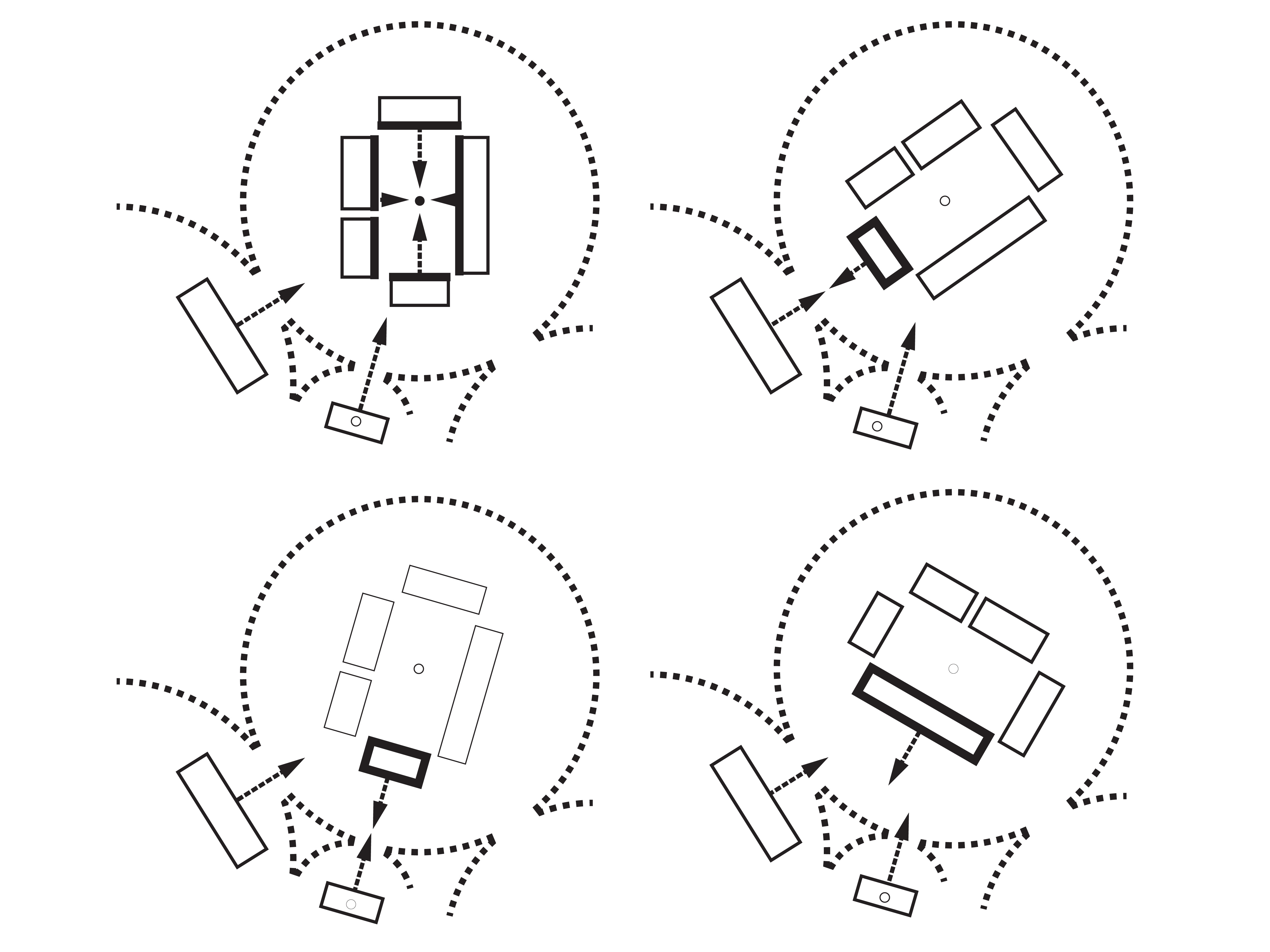
We share universal biological equipment, but we live distinct cultural lives. Why design must balance the shared "sensorimotor" substrate with the radical specificity of socio-cultural experience.
Explore →This library is structured to move from general process to specific vocabulary.
It begins with Revealing Architectural Design, which answers the question "What are designers actually doing?" by establishing the syntax, forces, and discipline of the design process itself.
The Hidden Lives of Algorithms narrows that broad process down to a specific instance: how geometry and spatial structure pick up social meaning. It demonstrates the framework in action, moving from abstract procedure to the lived realities of accessibility, percieved and real boundaries, and prioritisation of attention.
Making Architecture Through Being Human then provides the "glossary" for that bridge. It offers an extended toolkit of image schemas and metaphors, allowing you to name and recombine the concepts demonstrated in the previous works. Qualitative Embodiment in English Architectural Discourse can be accessed as a deep academic delve into the same territory but for the use of researchers interested in how meaning gets associated with form rather than for practical use in architectural design.
Finally, Urban Design Made by Humans takes this terminological toolkit and scales it up, applying these embodied agreements to the complex social friction of the city.
Routledge. Co-authored with Silvio Carta.
Investigates the intersection of geometry, computation, and social meaning, challenging designers to look beyond technical implementation.
Routledge. Co-authored with Anirban Adhya.
A handbook of 56 concepts defining the city not as hardware, but as a system of social agreements and proxemic negotiations.
Routledge.
A reference book presenting 51 concepts fundamental to architecture derived from embodied thinking and how we interpret the environment around us.
PhD Dissertation. Universidad de Castilla-La Mancha.
The foundational study identifying the cognitive roots of architectural value systems. Using Conceptual Metaphor Theory, it maps how physical experiences (up/down, motion, containment) unconsciously structure our professional judgments of space.
Routledge.
An advanced primer on architectural design methods, frameworks, and tools. Connects general design thinking to the underlying cognitive frameworks of the discipline.
Philip D. Plowright is Professor of Architecture and Chair of Design at Lawrence Technological University. He is a registered architect (NCARB) and a design theorist working at the intersection of embodiment, through the cognitive linguistic tradition, and architectural methodology.
His work bridges the gap between how we think and what we build. Grounded in the exploration of cognitive processes as underlying structures in design decisions, his frameworks apply cognitive science to design practice—moving architecture from intuitive guessing to rigorous, human-centered reasoning. Which still allows for quite a bit of space for creativity, personalisation, and moments of wonder.