We define architecture as a dynamic relationship between the human body and its environment. While traditional models often treat the building as an aesthetic object and the human as a passive viewer, this overlooks a fundamental reality: architecture is not something that we just see but is, rather, something we inhabit it through our physiology.
Embodied cognition demonstrates that the way we think is shaped by the way we exist physically. Our concepts of "structure," "balance," "inside," and "up" are not abstract mathematical ideas—they are derived directly from the experience of having a body that must navigate gravity, protect its boundaries, and move forward.
"There is a good place to start — ourselves. Our engagement in our environment has shaped the way we think which we, in turn, use to then shape that environment... This is the start of architectural design."
— Making Architecture Through Being Human (2020)
1. The Atomic Unit: Image Schemas
Before we can have an idea about a building, we rely on image schemas These are the pre-conceptual patterns that recur in our physical experience. They serve as the scaffolding upon which all complex architectural meaning is built, spanning from physical walls to algorithmic logic.
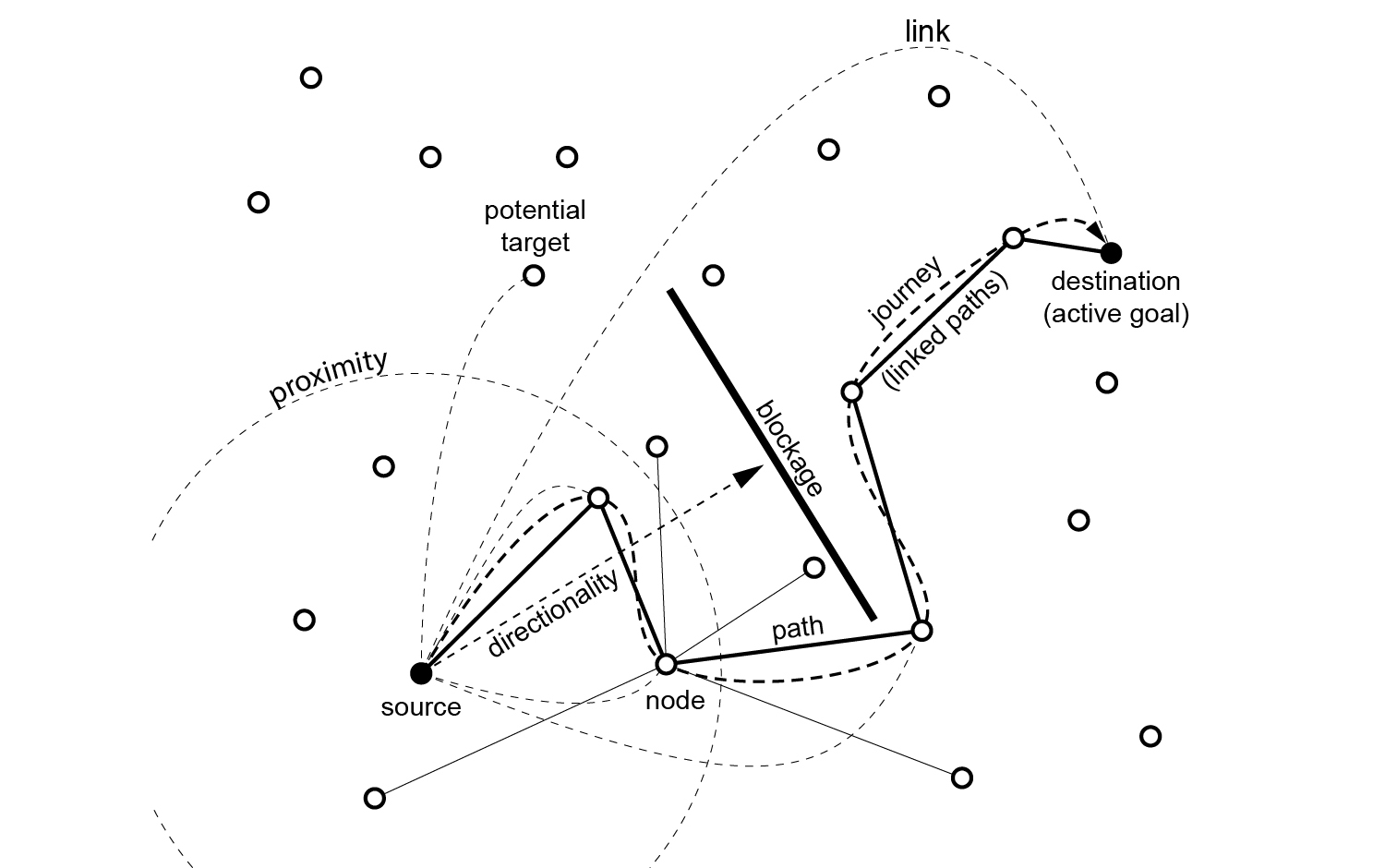 Figure 1: The mapping of path-based schemas to spatial experience (from The Hidden Lives of Algorithms).
Key schemas relevant to design include:
- CONTAINER: Derived from our skin and body. We project this onto rooms to understand safety. To be "in" is to be protected; to be "out" is to be exposed. In The Hidden Lives of Algorithms, this schema structures data sets and categories. Inclusion in a set (which means being contained) validates identity, while exclusion (which means being outside) renders the subject invisible to the system.
- VERTICALITY (UP/DOWN): Derived from resisting gravity. Up correlates with health, consciousness, and power (standing). Down correlates with unconsciousness and decay (falling). This dictates why we value height in skylines and why "bottom-up" processes are often framed as subordinate to "top-down" authority.
- SOURCE-PATH-GOAL: Derived from movement. This structures our understanding of circulation, entry, and sequence. It is also the cognitive root of algorithmic logic: Input (Source) → Processing (Path) → Output (Goal). We inherently trust linear progression because it mimics our physical journey through space. We use this schema to make sense of goals, drives, events, and experiences.
- CENTRALITY (CENTER-PERIPHERY): Derived from the perceptual focus of our eyes and the location of our bodies. Physically, this creates hearths and gathering points. Algorithmically, centrality shifts from geometry to connection; a centre is no longer the middle of the room, but the node with the highest degree of connectivity (network influence).
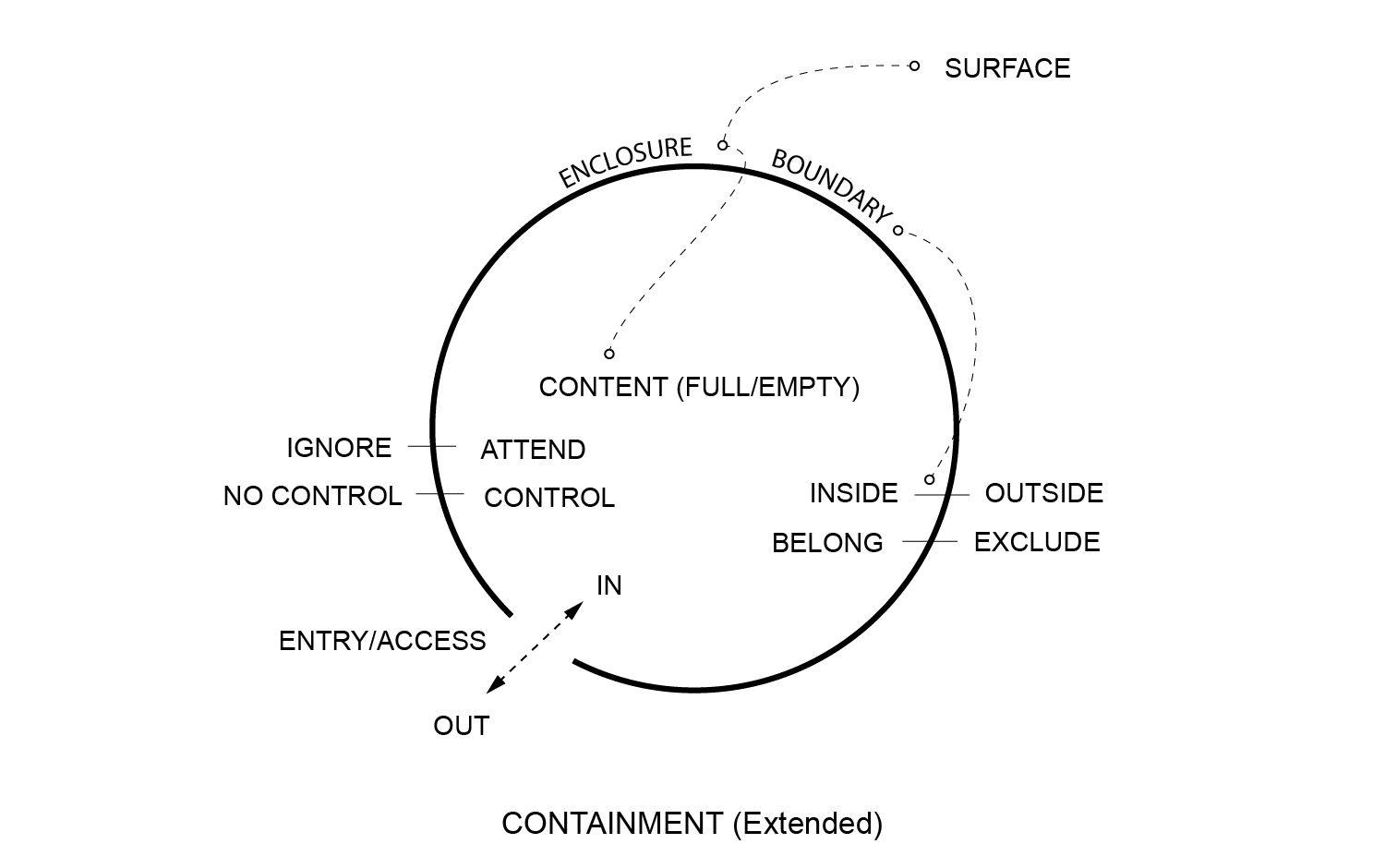 Figure 2: The mapping of containment-based schemas to spatial concepts (from The Hidden Lives of Algorithms).
2. The Mechanism: Conceptual Metaphor
We use these physical schemas to make value judgments about space. Distinct from poetic metaphor, which is often decorative, Conceptual Metaphor Theory (CMT) maps knowledge from a source domain (our body) to a target domain (the building) to create meaning.
In Qualitative Embodiment (2018), analysis of architectural discourse reveals that professional judgments are almost exclusively grounded in these somatic mappings. When we say a plan is balanced or a section is grounded, we are not describing geometry; we are describing a body at rest. These metaphors "indicate a set of values and ways of thinking about the built environment that are not recognized, acknowledged or clearly addressed by architects".
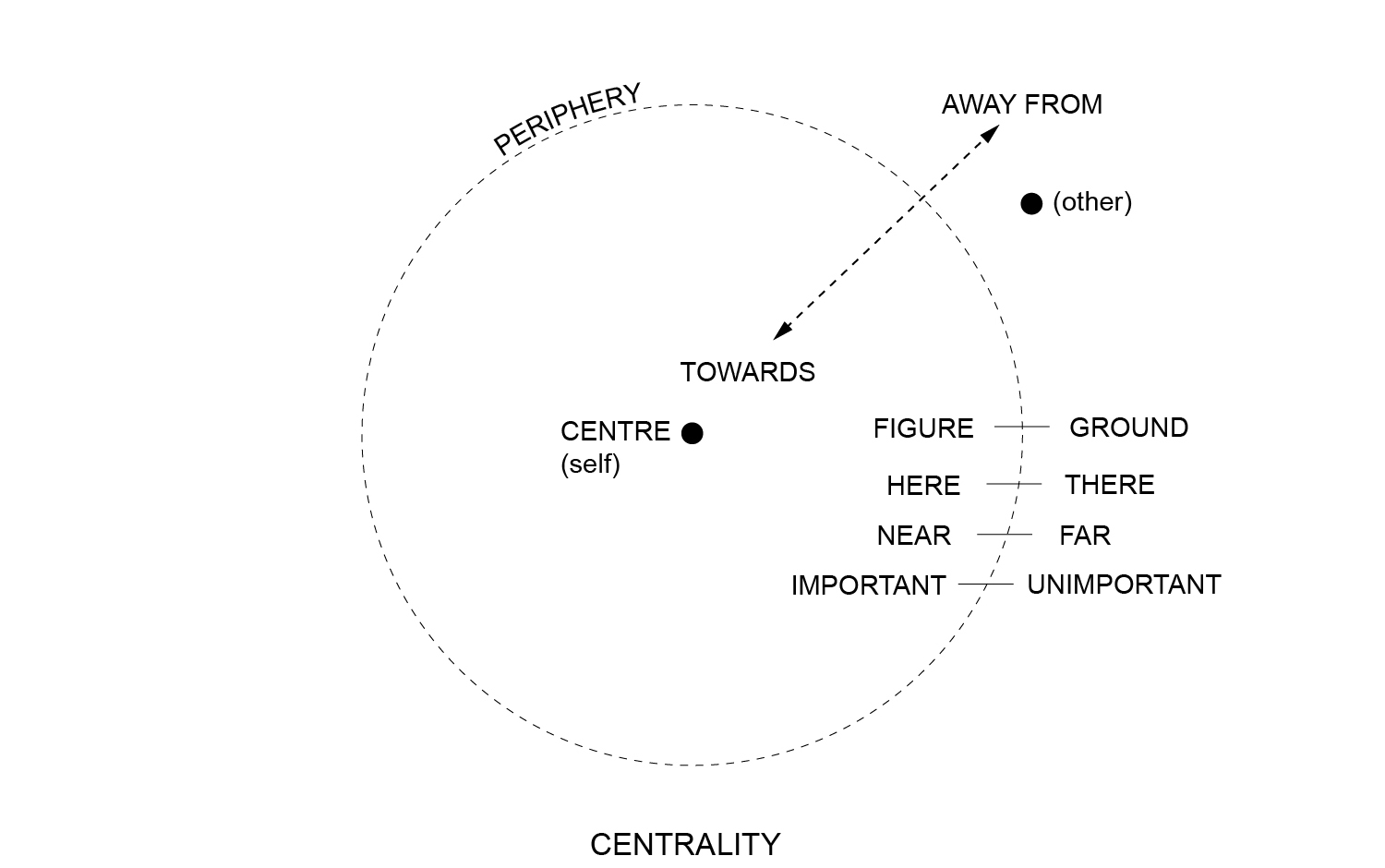 Figure 3: The extention of centrality into spatial concepts (from The Hidden Lives of Algorithms).
3. Application: Designing with the Body
This framework shifts the design process from visual composition to embodied experience. The embodied framework demands we ask:
Instead of asking "What does this form look like?", the embodied framework asks:
- What image schemas are being activated? (e.g., Are we creating a strong container for privacy or a porous link for community?)
- What metaphors does the user need to inhabit? (e.g., Is this a place of 'ascent' and authority, or 'containment' and safety?)
Design becomes the manipulation of these pre-conceptual triggers to create specific human experiences.
Plowright, P. D., & Carta, S. (2026). The Hidden Lives of Algorithms. Routledge.
Plowright, P. D. (2020). Making Architecture Through Being Human: A Handbook of Design Ideas. Routledge.
Plowright, P. D. (2018). Qualitative Embodiment in English Architectural Discourse: Conceptual Metaphors and the Value Judgement of Space. PhD Dissertation, Universidad de Castilla-La Mancha.