1. The Conflict of Affinity
In Urban Design Made by Humans and Making Architecture Through Being Human, we identify a geometric reality that algorithmic planning often ignores: the incompatibility of the line (movement) and the circle (gathering).
The line demands continuity; the circle demands boundaries. When a line of movement cuts through a circle of gathering, the affinity of the circle is broken. The container is breached, and the social potential evaporates.
"Movement and gathering have conflicting affinities. The primary affinity of movement is continuity (flow), while the primary affinity of gathering is containment (boundary). When movement dominates, gathering becomes impossible.
— Urban Design Made by Humans (2022)
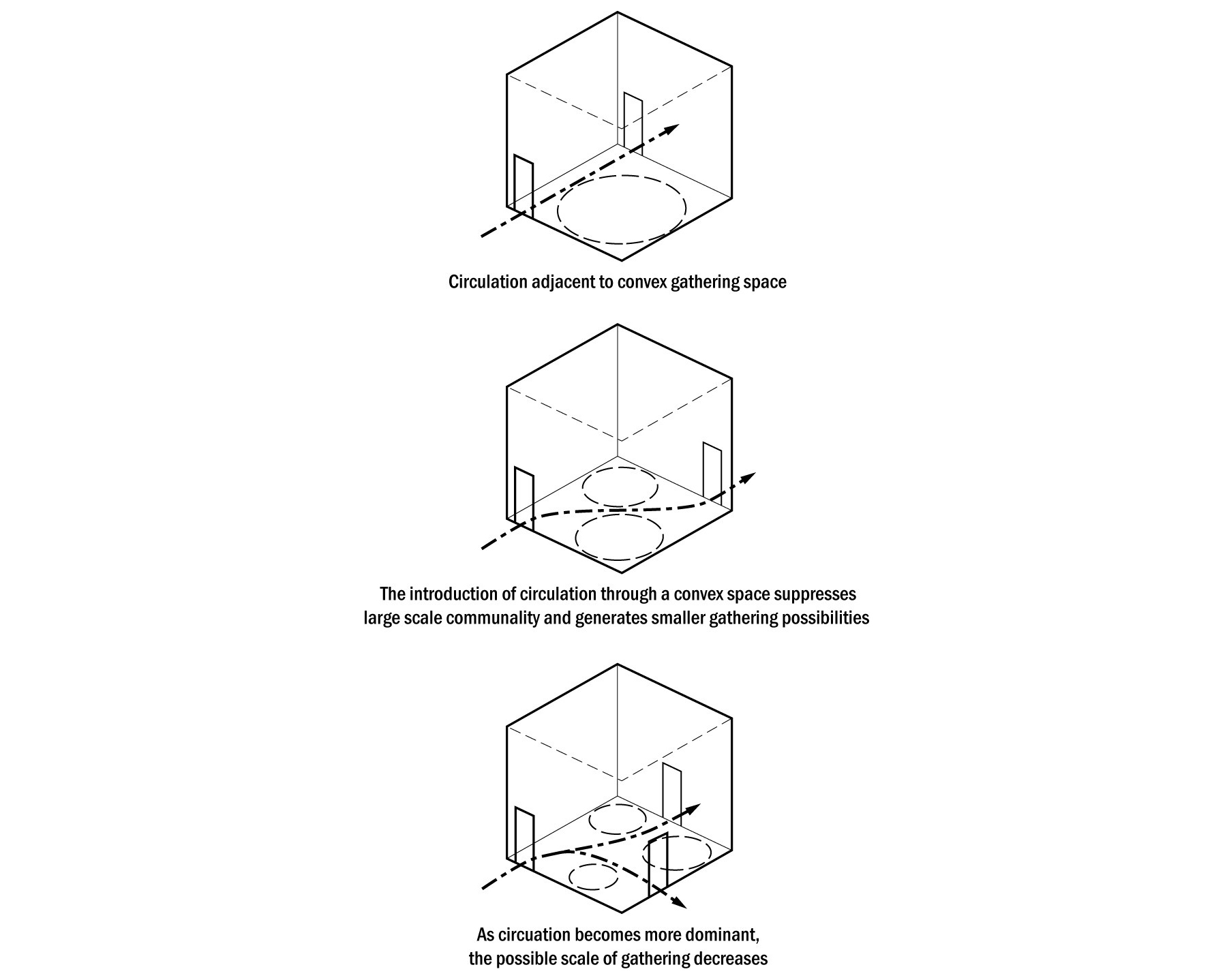 Figure 1: The relationship between gathering and motion. (from Making Architecture Through Being Human) 2020.
2. The Algorithmic Drive for "Smoothness"
Modern digital tools (and modern city planning) are obsessed with "frictionless" experiences. They optimize for speed, throughput, and the removal of obstacles. In The Hidden Lives of Algorithms, we see that this optimization is actually a form of social erasure.
By removing the "friction" of the physical world—the pauses, the textures, the delays—we remove the very moments where social negotiation occurs.
"Efficiency is a reduction of complexity. The algorithm seeks the path of least resistance, smoothing over the 'texture' of reality that provides the anchor points for human memory and interaction." — The Hidden Lives of Algorithms (2026)
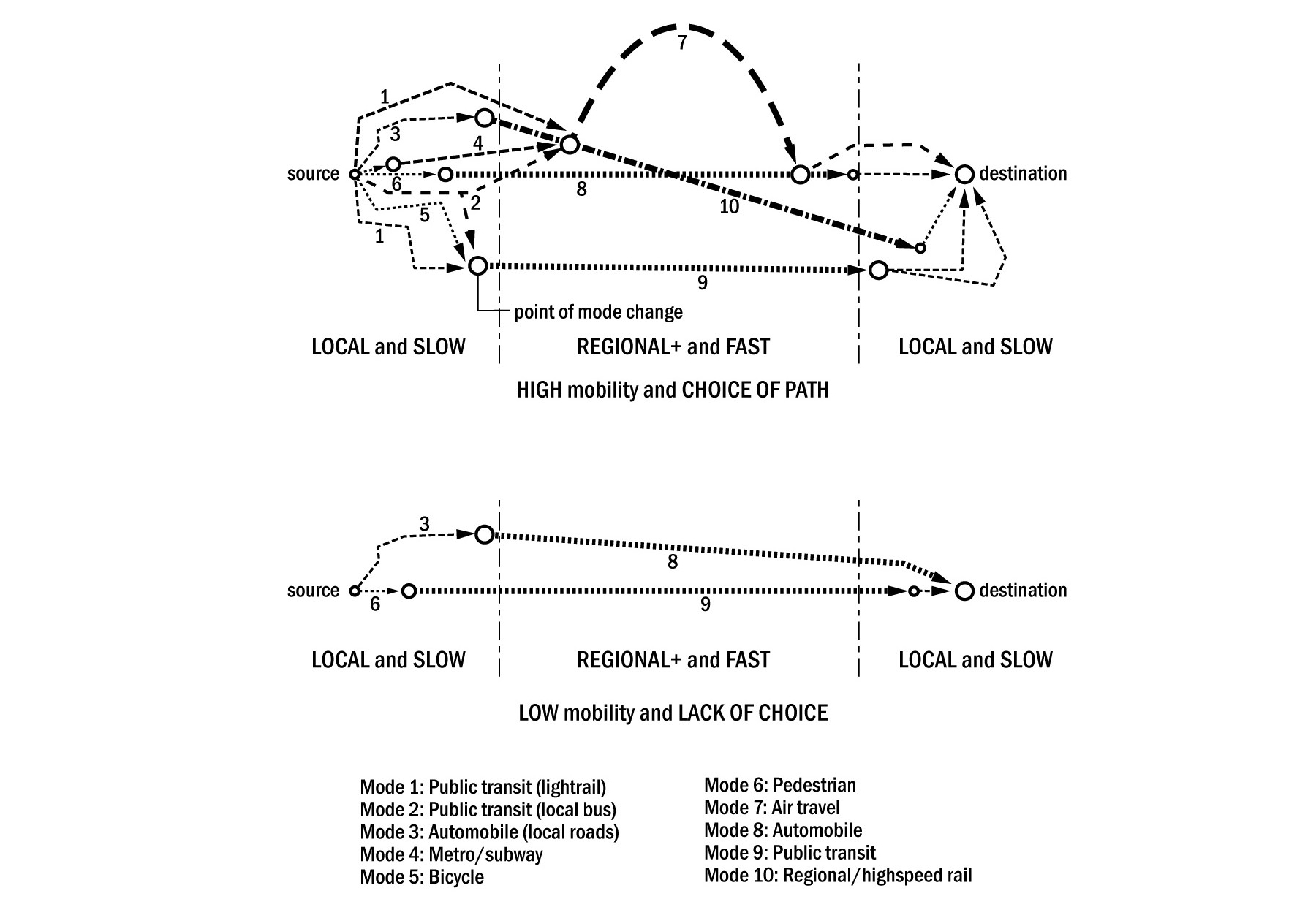 Figure 2: Speeds and efficiencies are important but so is choice. (from Urban Design Made by Humans) 2023.
3. Strategic Inefficiency
Efficiency is a good thing but so is a little slowness, attention, and moments of pause. What matters mostly is choice along with a little good friction, the strategic placement of the circles (moments of gathering) within lines as vectors of movement.
Design Strategies for Friction:
- Disruption of Pattern: We distinguish place from space through difference. By inserting "disruptions in patterns, or moments of contrast," we break automatic processing and support the user in their cognitive engagement with the environment.
- Interiority (The Recess): Friction requires stopping. We must design "shapes, recesses, and locations where a sense of interiority should occur." These physical indentations in the efficient line create the "feelings of shelter, protection, and a sense of safety" necessary for social pause.
- Compartmentalisation: Meaning is not just flow; it is "containment, proximity, adjacency, and contiguity." We create friction by defining boundaries that separate the everywhere of generic space from the somewhere of the human interaction.
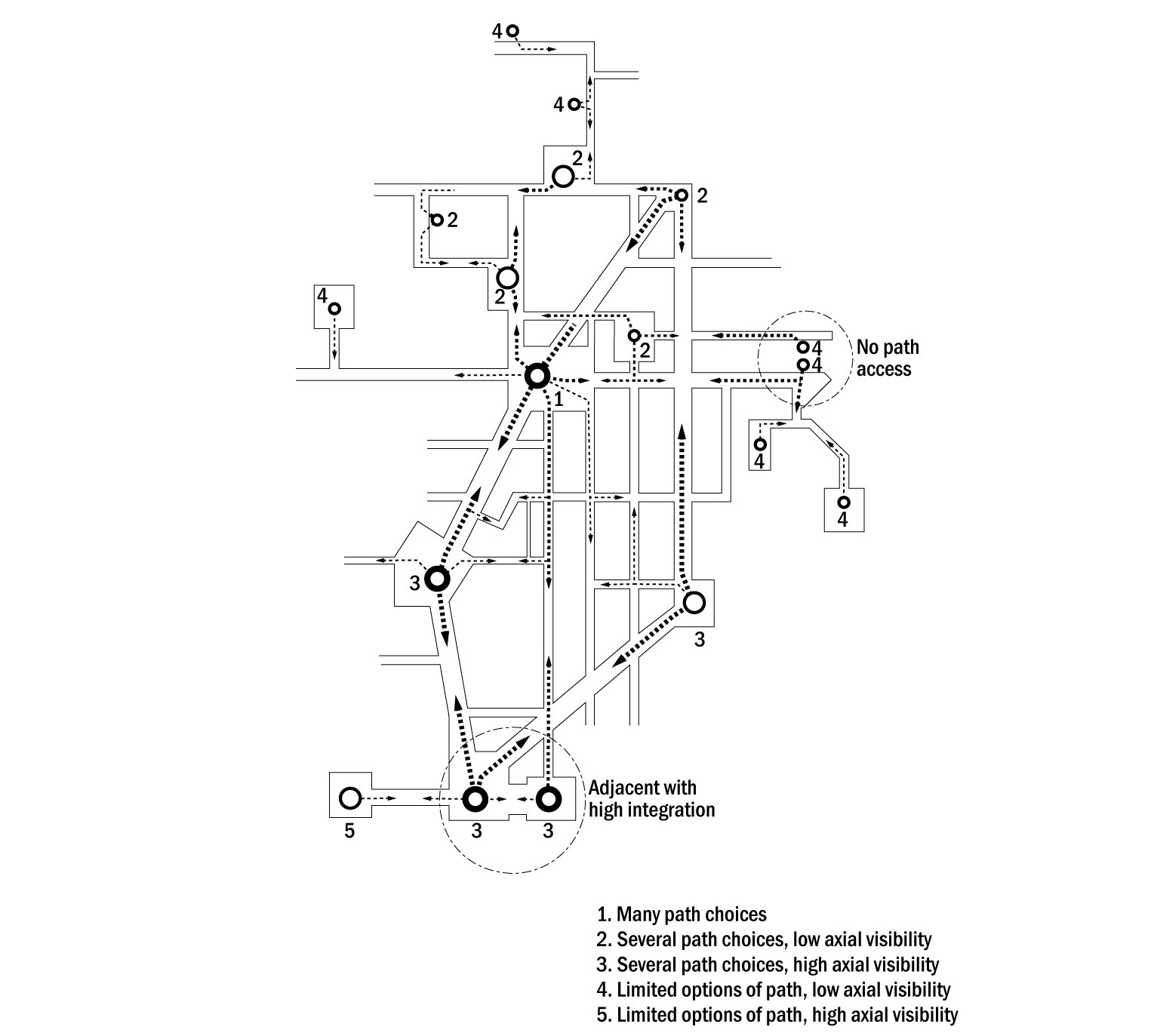 Figure 3: Paths, destinations, gathering, and choice. (from Urban Design Made by Humans) 2023.
Plowright, P. (2022). Timeliness and Timelessness in Spatial Comprehension: Schematicity of Socio-Cultural Knowledge in Space and Place Constructions. archiDOCT, 18(2). (Quotes drawn from Pages 3-4).
Plowright, P. D. (2014). Revealing Architectural Design: Methods, Frameworks and Tools. Routledge.
Plowright, P. D. (2020). Making Architecture Through Being Human. Routledge. (See chapters on Cognitive Schemas)