A common trap in design education is the belief that ideas strike from nowhere. Students often wait for "inspiration" rather than building a process. In Revealing Architectural Design, we define design not as invention, but as synthesis.
The architect does not general formal outcomes from nothing but acts as a translator, moving information from abstract requirements into concrete spatial relationships.To do this effectively, we must understand the domains where this information lives. A domain is a distinct sphere of knowledge bounded by specific concepts, terminology, and rules that separate what is valid within that context from what lies outside it.
1. The Three Domains of Input
Every design decision comes from one of three specific knowledge locations. If you do not feel "inspired", it is usually because you are ignoring one of these domains and lack the ability to translate concepts between domains in a way that maintains relevance.
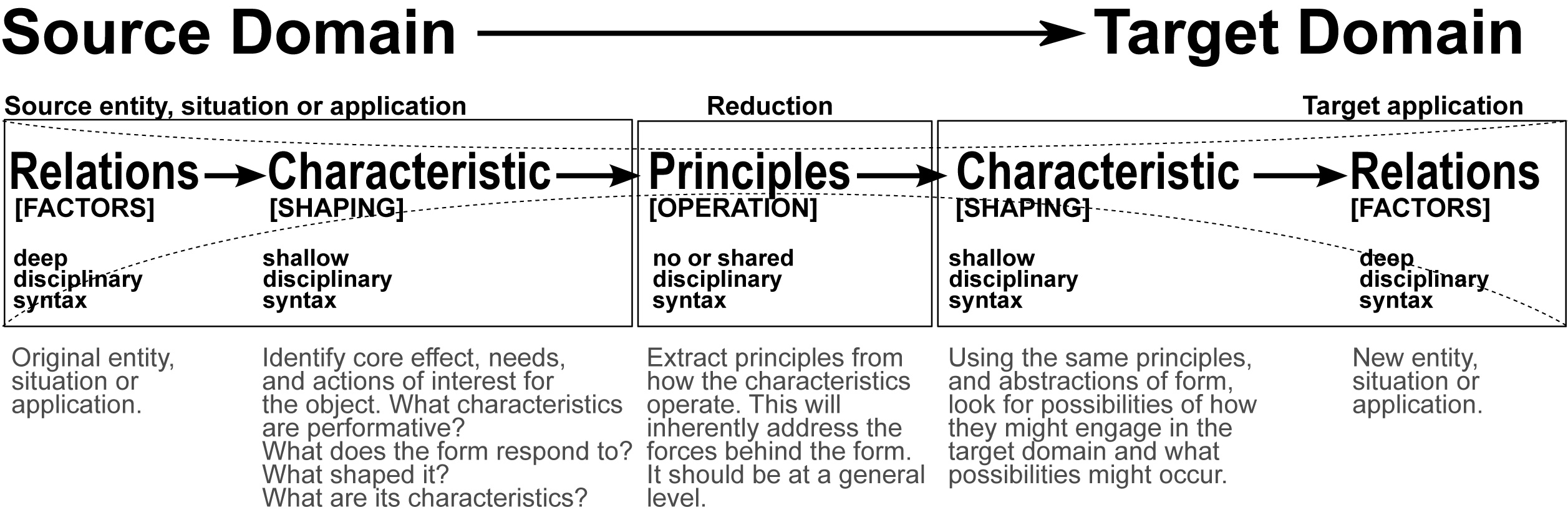 Figure 1: Transfering knowledge between source and target domain (from Revealing Architectural Design (2014)).
- The Project Domain (Local): The specific constraints of the job. This includes the site, the client’s program, the budget, and the climate. This provides the problem.
- The Practice Domain (Disciplinary): The collective knowledge of architecture. This includes history, typology, construction methods, and building codes. This provides the tools.
- The Source Domain (Metaphoric): External knowledge used to organize the project. This could be a concept from music, biology, philosophy, or social structure. This provides the ordering principle.
2. Concept vs. Idea
One of the most critical distinctions in this methodology is separating the "Concept" from the "Idea." In studio culture, these are often used interchangeably, leading to confusion.
"A concept is an abstract relationship. An idea is a spatial strategy. You cannot live in a concept."
— Revealing Architectural Design (2014)
The Concept belongs to the Source Domain. It is a set of relationships (e.g., "The Hierarchy of a Tree").
The Idea belongs to the Target Domain. It is those relationships translated into walls, floors, and openings (e.g., "A central structural core with cantilevered floor plates").
Design rigor is the ability to track the translation from one to the other without losing the underlying logic.
3. Architectural Syntax
How do we move from Source to Target? We must use Architectural Syntax.
Just as language has syntax (grammar, sentence structure), architecture has a physical syntax: mass, void, surface, opening, and material. The structure of a domain is objects, attributes of objects, and relations between objects. The process of domain transfer is linking this structure between domains.
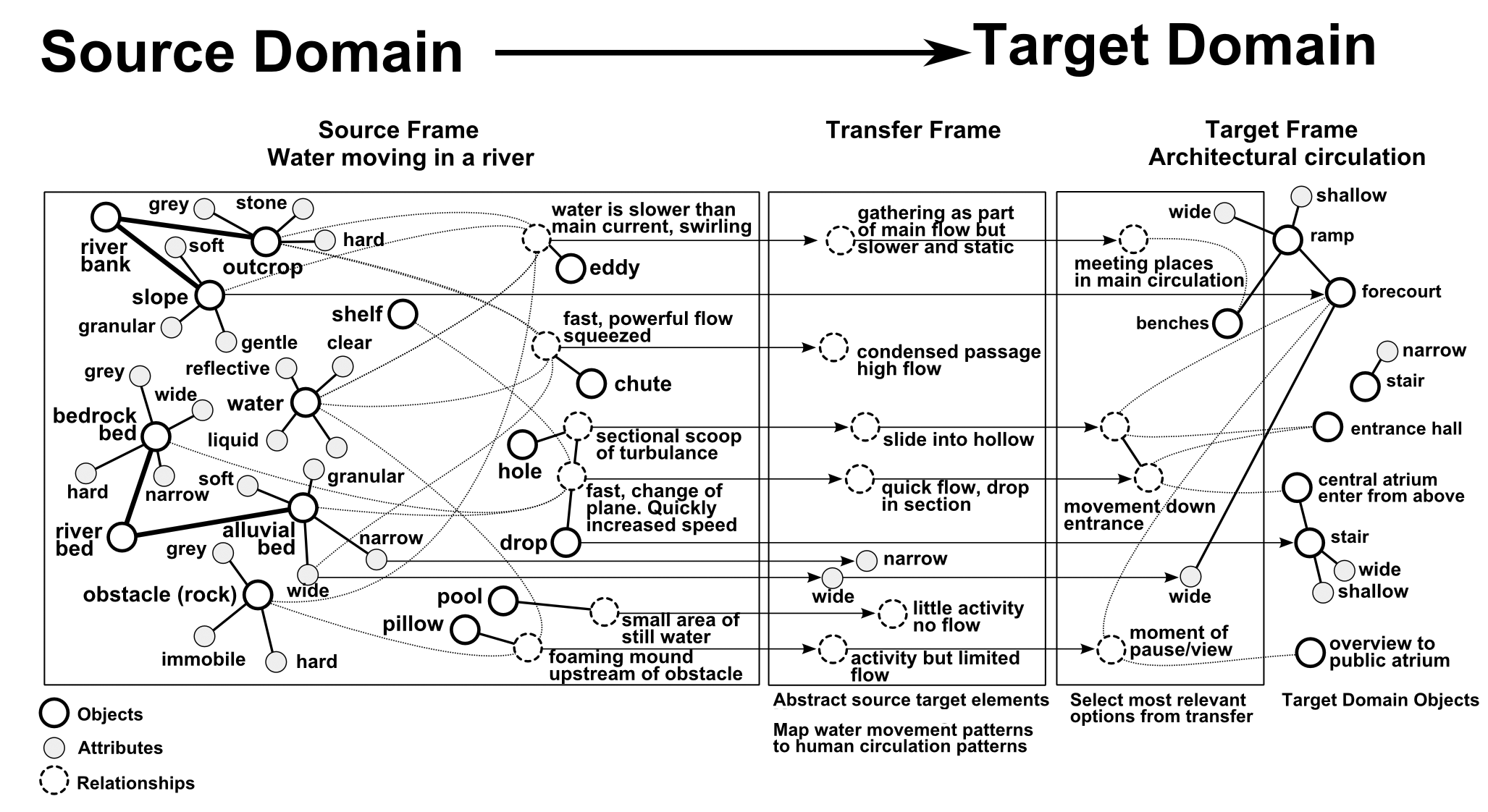 Figure 2: Translating abstract values into spatial syntax.
If your Source Domain is "Jazz Music," you cannot simply paint notes on the wall and call it good design. You must analyze the syntax of jazz (improvisation, rhythm, call-and-response) and translate it into the syntax of Architecture (flexible partitions, structural rhythm, visual connection).
This translation process is what separates rigorous design from shallow pastiche.
4. The Mechanics of Metaphor: Three Modes of Transfer
In Making Architecture Through Being Human, we refine the understanding of metaphor beyond simple literary figures. In design, metaphor is the cognitive mechanism that allows us to transfer meaning from a Source Domain to a Target Domain.
To achieve rigor, we must distinguish between what is being transferred. Are we copying a shape, a system, or a bodily experience?
A. Image Metaphors (Attributes)
This is the simplest and most direct form of transfer. It maps specific visual attributes—shape, color, or texture—from the Source to the Target.
- The Transfer: Visual Appearance → Physical Form.
- The Risk: This often leads to "duck" architecture (buildings that literally look like the thing they represent) if used superficially.
- Architectural Application: A roof designed to curve exactly like a bird’s wing, or a façade texture mimicking the scales of a reptile. It is static and relies on "looking like" the source.
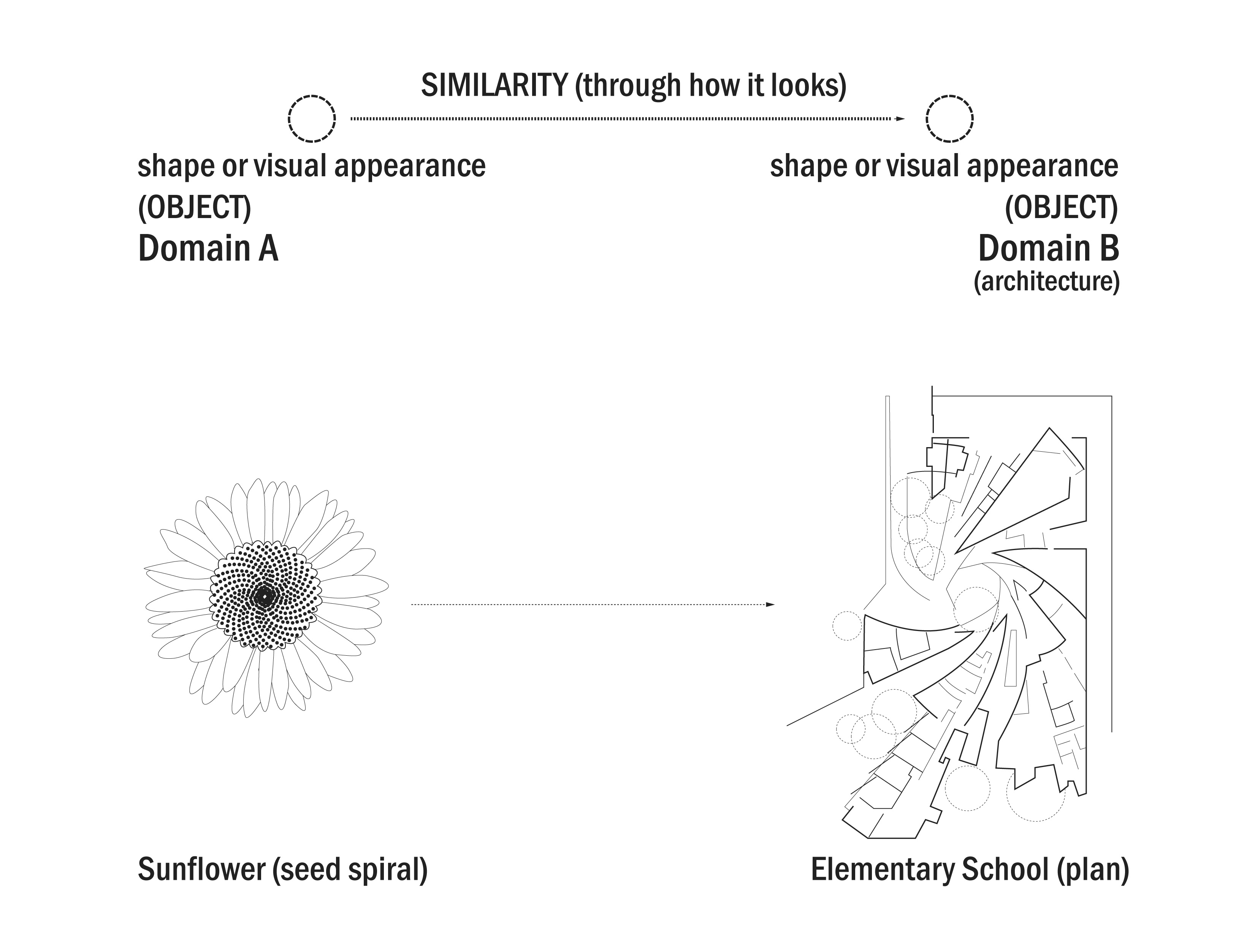 Figure 3: Attribute or image metaphors (from Making Architecture Through Being Human (2020).
B. Relational Metaphors (Systemic Logic)
These metaphors do not copy the look of the source, but rather the logic or structure between its parts. This is a higher-order transfer used to organize complex programs.
- The Transfer: Systemic Relationships → Spatial Strategy.
- The Rigor: This moves beyond aesthetics into function and hierarchy.
- Architectural Application: Viewing a school as a sunflower.
- Source Logic: The sunflower tracks the path of the sun across the sky so ways positions itself for maximum solar gain.
- Target Syntax: The school's program is located based on when direct sunlight is needed to support activities within those spaces.
The building does not look like a sunflower, but it operates like one.
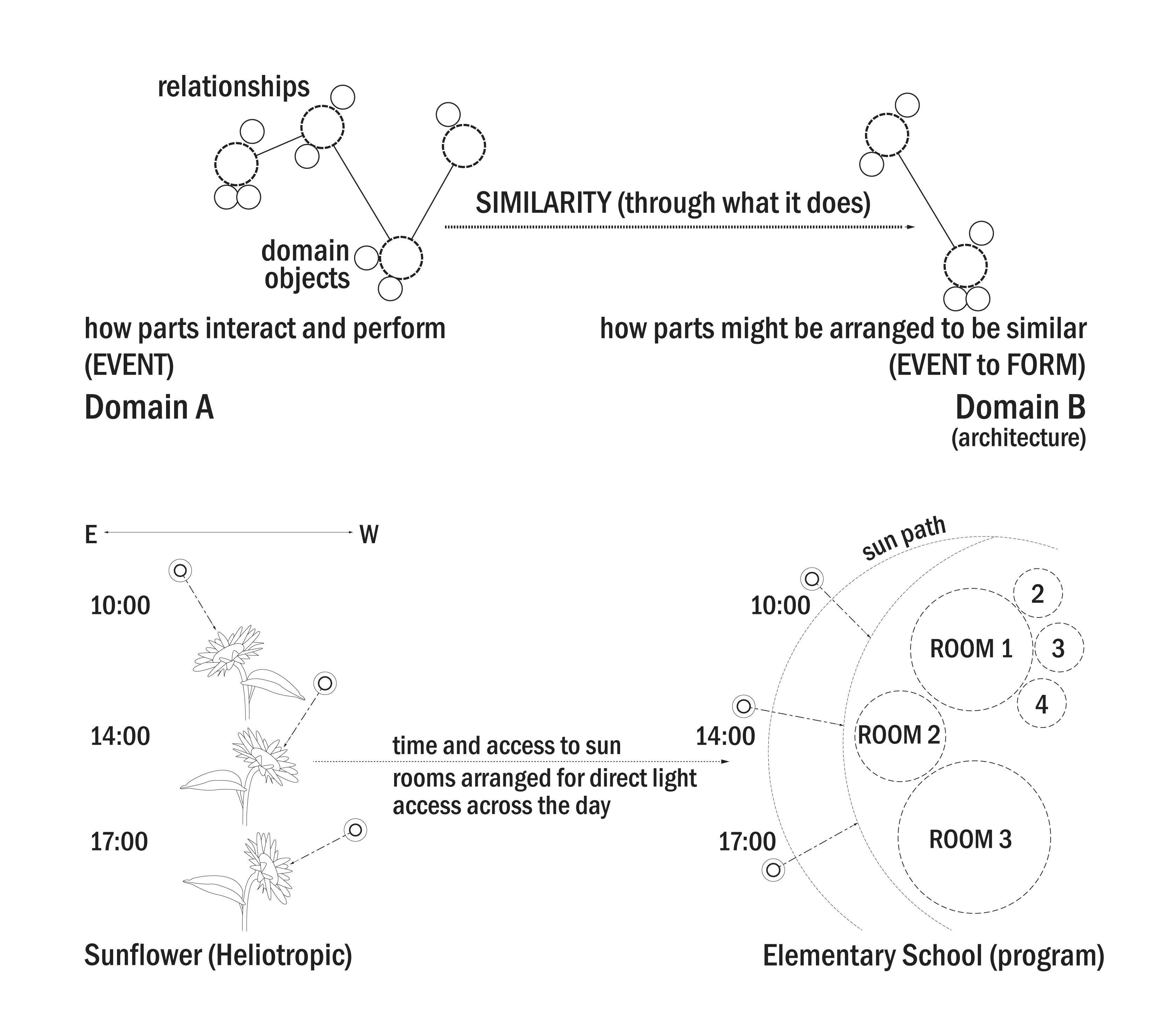 Figure 4: Relational metaphors (from Making Architecture Through Being Human (2020).
C. Correlational Metaphors (Image Schemas)
These are the deepest and most embodied forms of transfer. They are based on "Image Schemas"—pre-linguistic patterns derived from our physical experience of being human bodies in a world of gravity and boundaries (e.g., CONTAINER, SOURCE-PATH-GOAL, CENTER-PERIPHERY).
- The Transfer: Embodied Experience → Spatial Experience.
- The Power: These metaphors create the feeling of a space.
- Architectural Application: The "Path" schema.
Instead of just a hallway, the architect designs a "Journey." This triggers a sequence of compression, release, and arrival that mirrors the human experience of travel and discovery, regardless of what the "Source" image was.
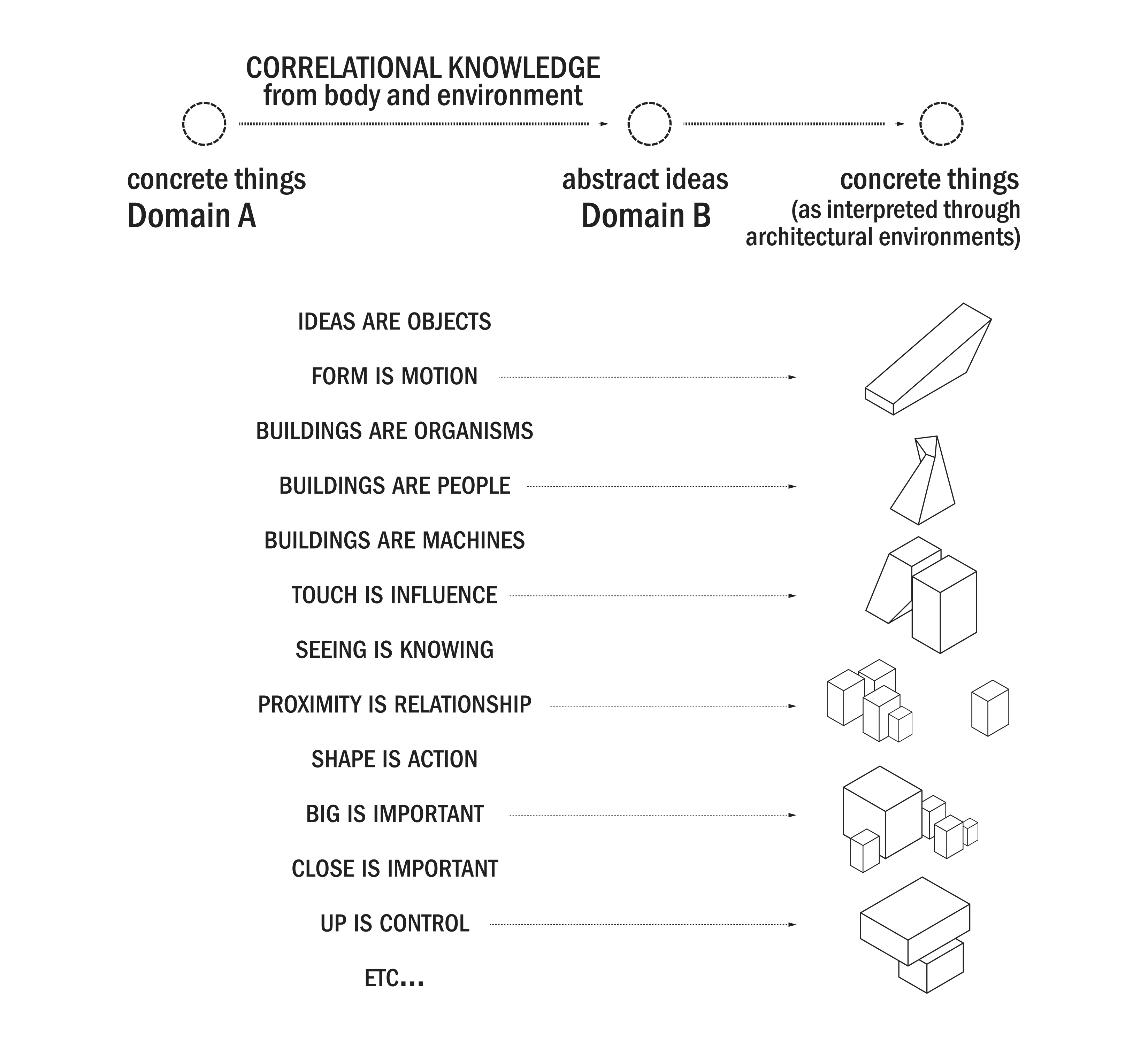 Figure 5: Correlational metaphors (from Making Architecture Through Being Human (2020).
Plowright, P. D. (2014). Revealing Architectural Design: Methods, Frameworks and Tools. Routledge. (Chapter 7)
Plowright, P. D. (2020). Making Architecture Through Being Human. Routledge.